Calm Minds, Steady Tips: Stress And Anxiety Assistance with Equines
I maintain a little bucket in the grooming aisle labeled Silent Devices. It holds curry combs, soft brushes, a hair choice with a broken deal with, and 3 folded lead ropes that lie throughout the top like resting serpents. On nervous days, I hand this bucket to a brand-new participant and we walk slowly to the paddock. Equines discover pace, pose, breath. If we rush, they step away. If we take a breath and drop our shoulders, they lick, blink, and draw near. That shared calibration is the beginning of modification. Not showy, just reputable, like stable steps that bring the mind along.
Why steeds aid nervous brains and bodies
Anxiety usually shows up as an inequality in between objective and physiology. You understand you are risk-free, yet your heart runs quick and your ideas fray. Steeds live by attunement. As prey animals, they review micro-signals from the globe and from one another, after that adjust with each other. When we enter their space, we go into a responses loophole that compensates harmony. If your breath is superficial and your motion jerky, the horse is reluctant. When your exhale gets long and your position softens, the horse inches closer and drops its head. The response is instant and honest.
That is the core of many equine-assisted services. The barn is not a center, yet it becomes a lab for self-regulation. People try new means to stand, breathe, ask, and wait, after that see what changes. It is functional biofeedback without cords. A peaceful gelding can assist you discover to slow your nerve system much more swiftly than a chair in a sterilized room, since your body has a partner to mirror.
From a skills point ofview, therapeutic horsemanship constructs routines that calm stress and anxiety through predictability and job emphasis. Pet grooming has a sequence. Haltering usages details knots. Leading requires you to observe ears, eyes, and feet. Each micro-task shifts the mind from rotating ideas to responsive info. Over weeks, people with panic patterns typically report fewer spikes on barn days, then much better recovery in the rest of life.
The shape of a session
Most programs arrange 60 to 75 mins. We start with check-ins and positioning to the horse's space, after that pick an activity based upon the person's goals and that day's arousal degree. Some days we groom in a silent stall and exercise box breathing with the rhythm of brush strokes. Other days we set cones in the arena and design a path that requires pauses, transforms, and changes in rate. If a participant prepares and it fits the plan, we might include mounted operate at a stroll. Lots of anxiousness assistance sessions remain on the ground because leading, liberty work, and boundary setting contain rich learning.
Equine-assisted activities and equine-assisted training are not interchangeable, though they overlap. Tasks stress structured interaction with steeds to satisfy wellness goals. Training tends to attract more powerful lines to personal or professional outcomes, like choosing under anxiety or boosting communication at the office. Equine-facilitated mentoring stays in that junction where an individual tries a behavior with the steed, assesses what happened, after that equates it to a conference, a classroom, or a household discussion. When anxiety is the emphasis, both paths aim at somatic settling and confident, type leadership of one's own body.
From nerve system concept to the feeling of a lead rope
You can talk about polyvagal theory, and I do when people ask. The vagus nerve paths signals that assist relaxation. Lengthy exhales, vocalization, safe social interaction, gentle motion, and play all help. Steeds welcome all five, and they have viewpoints that keep you honest. If you hold your breath and grasp the rope, the horse leans away. If you hum while you walk, your shoulders decrease, your step levels, and the horse follows your cadence.
I expect 3 physical markers before we include complexity: smoother breathing, softer look, and less muscular bracing through the forearms and jaw. When those show up, the horse generally mirrors with a decreased neck, slower blinks, and a sigh that blows dust from the bed linen. That is somatic recovery with horses in simple language. It appears like two animals syncing down from alert to curious.
Real tales, actual variables
An university student came for anxiety assistance with steeds during midterms. She had test panic, hands that shivered so much she had a hard time to link a halter. We began with a mare called Sable, an individual teacher. Week one, her objective was just to comb for 10 minutes without examining her phone. By week 4, she created a field training course that consisted of 2 pauses, one switch, and a jog between posts. She informed me the act of counting strides and breathing at the stop brought into her examinations. Her grades did not change over night, yet she reported fewer missed tests and faster healing after a wobble.
A 9-year-old with ADHD and sensory looking for behaviors required a lot more motion and clear boundaries. Our ADHD equine discovering assistance method favored short, varied tasks and heavy, predictable input. He enjoyed leading Diesel, a stocky quarter equine that walked like a metronome. We exercised stress and launch with the lead rope: ask, wait, soften, incentive. Over 12 sessions, his mommy saw fewer after-school crises on barn days. The barn did not alter his diagnosis, it offered a place where impulse control made sense. If he yanked, Diesel stopped. If he took a breath and asked, Diesel strolled on.
An autistic teen who avoided eye contact located comfort with a little pony who likewise did not like straight stares. In our autism equine learning program, we utilized side-by-side collaborate with marginal verbal needs. He tracked the horse's breathing, matched his actions, and discovered to check out ear flicks as conversation. His globe widened from message to texture. He started to reach out for the soft chuff of greeting at the gate. That is not everyone's arc, yet it happens often sufficient to prepare for.
These tales are not guarantees. Some individuals need several sessions to make small gains. Some attempt the barn and choose that the structures, smells, or changability do not match them. Good programs make space for that decision, after that help locate a much better fit.
What starts on the ground, brings right into life
Anxiety prospers on evasion. Equines make evasion unpleasant in a way that welcomes wit and courage. If you attempt to lead without looking where you are going, you bump a cone. If you provide combined signals, your horse stalls or drifts. You can not finesse your method around quality. That need can feel frightening at first. Then it comes to be liberating. You practice claiming, I am mosting likely to request a stop, and I am mosting likely to breathe while I wait on it. The muscular tissue memory travels.
Equine-facilitated health care lean into this transfer. After an exercise, we debrief briefly. What did you see in your body when the steed accelerated? What did you attempt? What functioned? Exactly how might that put on your commute, or to strolling into an active grocery store? The debrief is brief on concept and long on details minutes. You keep in mind that tiny launch of the rope and the horse's sigh. You remember you can recreate that pattern with your own breath when the line at the pharmacy stretches long.
Conditions and factors to consider: who benefits, that waits
Anxiety assistance with equines aids numerous, and certain profiles do especially well. People with social anxiety often locate horses to be caring technique companions. People with generalised stress and anxiety value foreseeable routines. Those with panic may require shorter sessions with even more breaks and a quieter barn schedule.
People with sensory level of sensitivities can thrive with the ideal suit. Alternative treatment for sensory challenges seems wide, yet at the barn it becomes very concrete. The field's deep footing provides stable resistance. A grooming brush uses rated touch you can manage. Earplugs or noise-canceling muffs help if clanging gateways are too much. If hay dust or dander is an issue, some barns have exterior grooming bays that catch the breeze.
There are likewise red lights. Serious hatreds steeds or hay can make engagement dangerous. Specific fears may need preparatory work with a specialist prior to getting in a barn. Unrestrained seizures, current concussions, or joint instability ask for medical clearance and adaptive strategies. Acute injury responses might be activated by sudden motion or smells, and need to be handled in collaboration with a licensed mental health and wellness carrier learnt injury. Quality programs take a team sight and never ever pressure contact.
On the ground or in the saddle
People typically ask whether placed work is essential. It is not. Lots of gains connected to equine-assisted activities come from foundation. Placed sessions can include balanced vestibular input and a strong feeling of alignment via the back, which some individuals discover deeply clearing up. Others do not like the height or feel bewildered by multi-tasking. I normally begin on the ground for several sessions, after that invite a brief installed segment just if the person wonders and if it offers the goals. A normal arc for a distressed grownup might consist of four to 6 groundwork sessions, a quick installed test, then a go back to the ground for management and limit work.
Equine-assisted mentoring for grownups and teams
Outside the psychological health and wellness framework, equine-assisted mentoring assists grownups discover how they lead and work together under anxiety. A supervisor who micromanages frequently tightens the lead rope without implying to. The equine plants his feet. The repair is not to draw harder, it is to breathe and invite. Group building with horses places small teams in the field with tasks that can not be completed solo, like leading a horse via a labyrinth without touching him. Anxiousness shows up as babble, silence, or cold. Steeds respond to coherence. A clear plan, shared pace, and respectful room typically obtain the good result.
For distressed specialists, the barn becomes a rehearsal area for difficult conversations. You exercise making a clear ask, enduring the minute prior to the response, and staying attached if the very first try does not function. The transfer to performance evaluations or task conferences is direct. Individuals keep in mind just how it felt to soften their shoulders and deal room, not just the words they spoke.
Choosing a program that fits
Credentials and barn society matter as long as the marketing language. Equine-assisted solutions is an umbrella term that includes restorative horsemanship, equine-assisted activities, and different kinds of equine-facilitated training. Seek practitioners who can discuss their training and extent. Some programs are led by accredited restorative riding trainers. Others couple an equine specialist with an accredited mental health and wellness professional. Ask to observe a session, fulfill the equines, and see where sessions take place.
Here is a brief checklist to speed your search.
- Clear extent: Do they call whether they offer coaching, activities, or therapy, and where they refer out?
- Safety protocols: Headgears offered, steed option for brand-new individuals, emergency plans visible.
- Horse well-being: Turnout time, body condition, rest days, and a training method based on pressure and launch, not force.
- Individualization: Will certainly they adjust for sensory needs, movement, or language handling, and how?
- Debrief structure: How do they connect arena discovering to day-to-day live without over-coaching?
Expect to listen to a series of costs. Exclusive sessions frequently run in between 75 and 150 bucks per hour relying on area, facilities, and whether two experts exist. Group rates can be lower. Some barns provide scholarships or moving ranges. Insurance protection for training and non-therapy activities is uncommon, though certain programs that fall under mental health solutions might collaborate with providers.
What a very first visit commonly looks like
Arriving tense is regular. The majority of stress and anxiety support sessions ease in, not launch.
- Meet the group and stroll the space. A quick alignment, washroom location, where to leave bags, and what locations are quiet if you require a break.
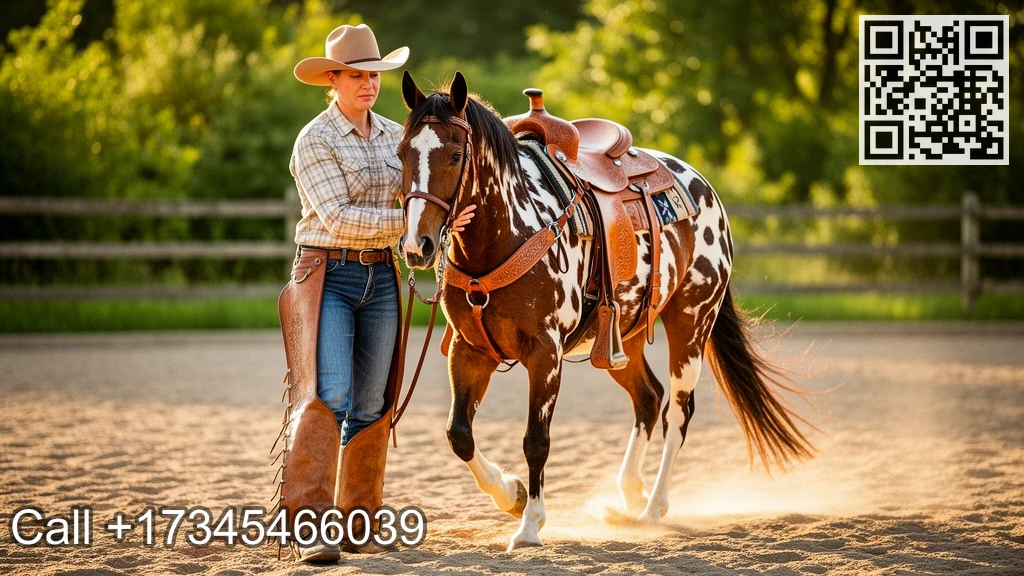
- Meet the horse at the fence. Observe from outside the paddock first. Notice breathing, ears, and your own stance.
- Learn the halter and lead. Practice knots and secure distance. Test stress and launch with an objective of lightness.
- Groom with a rhythm. Pick brush kinds by feeling, brush with the instructions of hair, and pair strokes with long exhales.
- Lead a brief pattern. Two or 3 cones and a pole, with clear begins and quits, then a calm go back to untack and claim thanks.
Afterward, a brief debrief assists catch what functioned. The first session collections tone as opposed to going after big outcomes. That slower speed builds safety and trust.
Somatic supports you can duplicate at home
The barn offers you anchors that travel. Individuals typically take home a couple of micro-practices:
- The brush breath: resemble the long stroke of brushing by mapping your forearm with your opposite hand while exhaling slowly.
- The cone pause: choose a kitchen floor tile as a pause point. Walk, stop at the floor tile, breathe in for four, breathe out for 6, then continue.
- The lead rope check: hold a scarf with both hands. Soften your hold until the headscarf drapes, after that ask your shoulders to match that softness.
None call for an equine. They remember a time when your body moved from braced to present.
Measuring progress without turning it into homework
Anxiety can turn also self-care into a performance examination. I like straightforward pens. Better sleep the evening after a session counts. A shorter time to clear up after a startle matters. Less cancellations because the day felt also huge, that counts. For some, a journal with three lines per day works: one body sensation, one feeling word, one minute of equine recall. For others, the attendance record tells the story. In many programs, people see meaningful adjustment over 6 to twelve sessions. Some stay longer for maintenance because the barn comes to be a location of steadying community.
Safety is not negotiable
Horses are generous, and they are also big. An excellent anxiety-support session values both truths. We match steed to human very carefully. We avoid tight corners with brand-new sets. We select times of day when the herd is worked out. We educate just how to review pinned ears, swishing tails, and shifting weight. We see to it clothes is closed-toe and safe and secure. We discuss where to stand and where not to. The objective is not to make anyone fearless, it is to make people much safer through understanding and awareness.
There are trade-offs. A gusty mid-day may elevate power in the herd, which can add obstacle. If a participant arrives dysregulated after a difficult day, we might choose stall-side pet grooming over arena work. Weather terminates happen. Flexibility is part of the technique, and it mirrors the adaptive abilities needed for anxiety monitoring elsewhere.
The function of the expert team
Equine experts watch the steed initially. Instructors or therapists see the human initial. When both sets of eyes collaborate, sessions flow. If somebody's anxiousness web links to injury background, an on-site or getting in touch with psychological health and wellness professional aids establish pace and boundaries, and can sustain processing that drops outside mentoring range. If a participant is working with a neighborhood specialist, we frequently coordinate on objectives like grounding, limit setup, or panic healing plans. The barn is not a silo, it is a partner.
What youngsters teach adults, and the various other way around
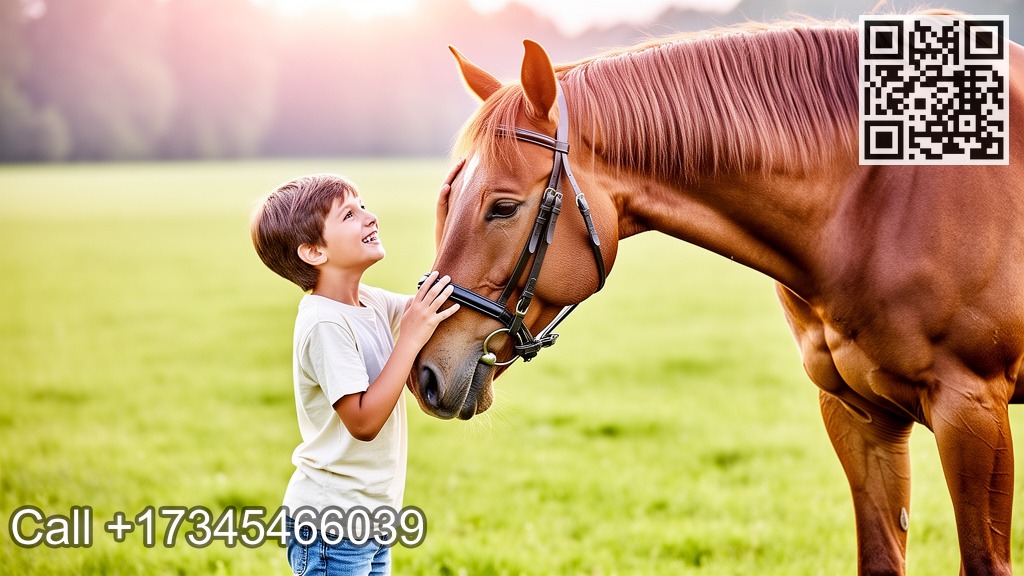
Children often tend to go down self-consciousness faster. They mimic the steed's breath, practice foolish strolls, and laugh when a careless muzzle searches their pocket for carrots. That playfulness decreases stress and anxiety without a lecture. Adults bring language and reflection, which capture understandings before they slip away. Mixed-age household sessions can be effective. A moms and dad finds out to provide a clear cue without over-talking, a youngster discovers to await the horse to respond to, and both celebrate a clean stop together.
Seasons of practice
Summer dust smells like sunlight and alfalfa. Winter season air is sharper, and the barn feels like a cozy wooden church. Stress and anxiety ups and downs with periods too. Some individuals do best with a concentrated series of weekly sessions for three months, then move to biweekly. Others weave the barn right into the academic year as a stabilizer. Consistency beats strength. A single best day does not change a lot. Lots of adequate days lay the track for steadier weeks.
When stress and anxiety rides alongside various other differences
Many individuals do not arrive with neat tags. Stress and anxiety can ride with ADHD, autism, or discovering distinctions that make class hard. Equine programs that recognize different processing tend to do much better. They utilize brief guidelines, aesthetic cues, and hands-on demos. They established achievable challenges and commemorate micro-wins. The horse does not care if you stim, hum, or require to wear an overflowed hat. He cares about clarity, compassion, and safety. That acceptance can be relief in a world that typically asks people to shrink or mask.
The silent after
A preferred minute comes right after a session. The halter is off, the lead is coiled, and the equine stays a moment longer. There is no benefit to anticipate, just shared air. People typically exhale then and say, I did not believe I can feel tranquil today. The barn did not remove their stress factors. It gave them an area to practice solidity until their body remembered how.
Therapeutic horsemanship is simply that, a practice of ability and relationship. Experiential discovering with equines transforms insight into action. Equine-facilitated mentoring connects the dots to function and home. Assembled, they supply a grounded path for anxious minds, one step matched to https://www.hhooves.com/corporate-team-workshops one breath, till the nervous system discovers its rhythm again.
If this path contacts us to you, go to a neighborhood barn, enjoy just how the steeds relocate, pay attention to how instructors speak, and see how your body really feels as you wait the fence. Tranquil minds expand from steady actions. Equines are generous companions on that particular road.
Happy Hooves Wellness
9177 Gross Rd, Dexter, MI 48130
+17345466039
https://www.hhooves.com/