Step, Breathe, Belong: Equine-Facilitated Health for Everyday Life
The very first time I saw a client match her breath to a horse's heave and fall, the entire pasture changed. Birds still babbled, a tractor still clanked beyond the trees, yet the energy in between woman and gelding grew peaceful and curious. She had actually shown up wired and careful. 10 mins later her shoulders dropped, and the steed's lip shivered because soft method they have when stress releases. No dramatic strategies, no soaring talk. Simply tip, take a breath, belong.
That is the daily charm of equine-facilitated wellness. It is not a miracle treatment and it is not just for bikers. It is a consistent method of showing up, learning your very own signals, and inviting a thousand-pound companion to reflect them back without judgment. Horses do not respect your job title or your story. They track heart rate, stance, purpose, the harmony or mismatch between what your body says and what your words attempt. In a world that trains us to ignore those signs, being with a steed can feel like ultimately getting a truthful mirror.
What equines educate the body before the mind catches up
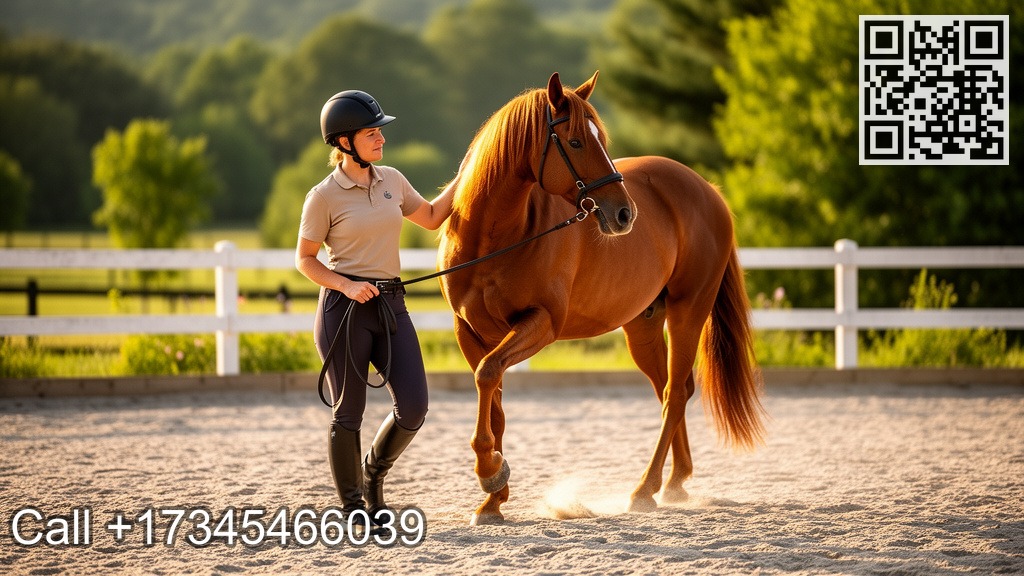
People frequently ask what happens in a session and whether it is mainly concerning riding. Riding can be component of healing horsemanship, and for some goals it is vital. But a considerable share of equine-assisted solutions takes place on the ground. We decrease, we stroll side by side, we practice asking and paying attention with our entire bodies. The steed checks out tiny shifts, a softened elbow joint, a steadier exhale, and responses in kind. You discover the language of pressure and release, of approach and hideaway, of yes and not yet.
From a somatic lens, horses model regulated nerve systems in real time. Prey pets endure with attunement. When the environment quiets, they drift toward remainder and absorb. When aroused, they do not stew in adrenaline for hours. They check, move, maybe shock, and reset. Human beings typically skip the reset. Somatic recovery with equines helps people locate that downshift again. Not with intellectual initiative, but with the felt experience of co-regulation. I have actually seen clients show up with a jittery breath and leave with a grounded stride, not since any person informed them to relax, however since their bodies learned exactly how in company with a tranquility, responsive partner.
An usual false impression is that you need steed experience to begin. You do not. In fact, absence of habits can be a gift. The most effective sessions are not around doing it right. They have to do with noticing what occurs when you transform one variable, a gentler hand on the lead, a longer time out, a more clear intent. The steed responses your inquiry truthfully and quickly. That responses loophole, specifically in experiential learning with equines, turns obscure ideas like boundary setup or count on right into concrete actions. You really feel what works, then you bear in mind it.
Sorting the terms without obtaining tangled
The field consists of different however overlapping techniques. If you are exploring options, it helps to recognize the basic categories.
Therapeutic horsemanship normally includes skill-based riding or groundwork under the advice of a qualified instructor. Goals can consist of balance, coordination, communication, and confidence. Many riders with disabilities flourish in these programs since steeds provide a vibrant, receptive platform that tests the body and involves the mind.
Equine-assisted activities can cover a wide array of non-clinical experiences, from brushing and bring about steady chores that encourage emphasis, collaboration, and responsibility. Consider these as structured, purposeful communications that develop life skills.
Equine-assisted services is a more comprehensive umbrella term that includes the above and may also include psychological health or occupational treatment offered by certified clinicians. In professional versions, a specialist partners with an equine specialist to address therapy objectives such as psychological regulation, sensory assimilation, or social communication.
Equine-assisted coaching and equine-facilitated mentoring concentrate on personal or professional advancement instead of diagnosis. Trains utilize the horse-human partnership to brighten patterns and help customers explore new strategies. I lean on this version when collaborating with supervisors who want cleaner borders, moms and dads who really feel embeded power struggles, or teams that require to restore trust.
There are likewise specialized offerings for groups. Team building with steeds can take a jaded team out of the meeting room and into a paddock where rank indicates little and clearness means whatever. If a team pushes, the horse may support. If they collaborate and breathe, the horse generally complies with. That lesson lands much faster than any kind of slide deck.
Each program will certainly have its own language and technique. Ask suppliers exactly how they specify their technique, how they guarantee safety and security, and how they gauge progress. Great programs are clear concerning what they do and what they do not do.
A day in the arena, not just a pamphlet promise
On a common weekday at our farm, individuals arrive in all flavors of human. A nine-year-old who fidgets continuously, an adult with a successful career and a secret knot in the breast, a mother and child browsing a brand-new autism medical diagnosis, a pair trying to reconnect after an intense year. The equines do not get spooked by our variety. They review it and make room or ask for clarity.
Take Maya, a college student who came for stress and anxiety assistance with steeds. She had actually attempted talk treatment and valued it, yet panic still blindsided her on jampacked buses and before exams. In our initial session, she stood 6 feet from a Haflinger named Clover. We practiced an easy rhythm, in for four matters, out for six. Heart rate data is not needed for this work, however in some cases it helps a customer that enjoys metrics. We used a wrist monitor to note her standard. After 10 minutes of silent breath and matching her actions to Clover's, the numbers dipped. More notably, Maya felt the softness. She discovered to stack her ribs, unlock her knees, and allow her look broaden. By session 5 she had a two-minute reset she might make use of on the bus. She still had anxious days, yet rather than obtaining ingested she had a rope to grab.
Then there is Jackson, a twelve-year-old in an autism equine discovering program, brilliant and witty, easily overwhelmed by noise and modification. In the barn, routines and tactile tasks arrange his focus. He brushes in lengthy strokes, counting softly. We practice leading with minimal hints. If Jackson rushes, the horse waits, a natural rate limitation. If he waits, the steed shows interest, a social reward. Over months, Jackson expands his capacity to pause, to tolerate tiny surprises like a fluttering tarp, to request assist with words as opposed to grabbing. His instructor told me he began elevating his hand at college instead of calling out. The barn did not repair college. It provided him rehearsals that felt good in his body.
For ADHD equine discovering support, I watch for jobs that trade over-efforting for timing. Motorcyclists gripping for dear life can not find a liquid posting trot. Ground leaders who pull miss the sign. When a customer detects that a lighter ask jobs better, you can see their smile spread. It is not concerning trying harder. It has to do with attempting more clear, right amount, ideal minute. That lesson issues in research time with a restless brain, in conferences with spiraling conversations, in early mornings prior to coffee.
Why steeds really feel safe for sensory challenges
For many individuals with sensory handling distinctions, ordinary atmospheres are penalizing. Buzzing lights, crowded halls, unpredictable noise. The barn is sensory abundant, yet it often tends to be patterned and straightforward. Hoofbeats on dirt. Natural leather in your hand. A horse grunts and drinks, then resolves. Alternate treatment for sensory challenges is not an ideal phrase, since we are not taking care of a damaged system. We are supplying an atmosphere where a nerves can practice regulation with clear feedback.
I have found out to see the small indicators. A client who can not tolerate a curry comb at the start may love the soft flick of an ending up brush after ten mins of walking outdoors. Someone who startles at the abrupt whir of a fly spray bottle could accept it if they can be the one to push and launch, then step back. Control matters. Predictability issues. We do not flood clients to verify a factor. We titrate, locate edges, return to convenience. Steeds design that dance due to the fact that their own senses are acute. When they begin to work out around an individual, it is not performative. It is physiology conference physiology.
Safety, authorization, and fairness to the horse
Ethics are not an afterthought. Equines are sentient pets with choices, histories, and thresholds. Any type of program worth your count on focuses on the horse's wellness along with the human's. We track weight restrictions, timetable rest days, rotate tasks to prevent exhaustion, and say no when an equine reveals indicators of stress and anxiety. We likewise make area for the equine to state yes. A sagging lower lip, a sigh, an analytical advance, a soft blink, these are the thumbs-ups I look for.
In sessions, authorization cuts both methods. If a client feels pressured by a job, we back up. If an equine pins ears or dental braces repeatedly, we reassess. We choose equines suited to the job, commonly steady geldings or mares with a background of kind exposure. We retire horses that are not appreciating it. Safety and security equipment is non-negotiable where risk is greater. Safety helmets when installed, durable footwear all over, clear courses, found out releases. I have seen a tranquil session ended up being chaotic due to the fact that a loosened canine ran in. Boundaries shield the quiet that makes this job sing.
The mystery of initiative and ease
People anticipate challenge to feel like stress. Equines educate a different equation. When you are coinciding, initiative decreases. A customer who had actually led supervisors for twenty years came for equine-facilitated coaching since his team had actually delayed. In the sector, he tried to move a horse via a slim chute with big motions and a commanding voice. The steed grown. We pared the ask to three components. Direction, quality, timing. He took a breath, picked a factor, made a light request with his body, and softened the instant the horse attempted. The gelding went through the chute like it was the noticeable next step. Back at the office, he stopped pressing with power and started guiding with precision. His group observed within a week.
That simplicity can be disorienting. People wonder if they have actually shed their side. They have not. They have traded sound for signal. The nerve system finds out that calmness is not negligence. It is leverage.
What an initial session frequently looks like
Every company has a rhythm. Right here is the general shape clients can anticipate in a well-run program.
- Arrival and orientation to the room, consisting of a short security rundown and a possibility to fulfill the horses from a comfortable distance.
- A simple grounding method, usually breath or posture based, to obtain present and examine individual boundaries and objectives for the hour.
- Initial interaction, such as pet grooming or matched walking, with coaching on analysis equine signals and recognizing consent from both sides.
- A concentrated activity aligned with the client's goals, for example leading with challenges, freedom join-up in a tiny pen, or placed exercises if appropriate.
- Debrief and translation to day-to-day live, determining what landed, what shifted in the body, and how to practice the new pattern at home or work.
Sessions run 60 to 90 minutes in most setups. Frequency varies, regular for skill structure, month-to-month for professional training, seasonal for school-based teams. Wise programs pace intensity to stay clear of overload for humans and horses alike.
Bridging the barn and the kitchen area table
If we quit at insight, we misread. Equine-facilitated health works when it strings into ordinary regimens. After sessions, I ask customers to run small experiments. The moms and dad who locks horns with a young adult techniques the exact same border we made use of with a mare that crowds, feet grown, voice calm, hand up, wait on room, then give thanks to the try. The executive with a stuffed schedule timetables 3 five-minute resets where they step outside, broaden their stare, allow shoulders go down, and name one clear purpose prior to strolling back in. The university student that ices up under fluorescent lights practices the Clover breath on the https://deanoyox358.fotosdefrases.com/hands-hooves-and-heart-experiential-learning-that-lasts bus.
Progress is not direct. Anticipate backslides after poor sleep, illness, or life spikes. The field provides you reps in a forgiving laboratory. Equines forgive a lot if you ask with respect and tidy up your mistakes. That grace matters when you are altering behaviors that took years to build.
Measuring change without decreasing it to a spreadsheet
Some customers like numbers. We can track self-ratings of tension, short focus tasks pre and post, or make use of wearable gadgets to note heart price fads. These are photos, not decisions. The richer data comes from life itself. Do you catch your breath before you break? Does your kid recover from a shock much faster than last month? Did your team meeting end with a decision as opposed to circling around for an hour? The barn tops these shifts. You confirm them where you live.
Clinically oriented programs might utilize standardized tools to keep track of results. Coaching programs often tend to utilize goal-based tracking and narrative representation. Both have value. Be wary of providers who promise quick solutions. The body learns at the rate of safety.
Costs, accessibility, and the truth of barns and budgets
Prices vary extensively by region and by model. Nonprofits using equine-assisted tasks and healing horsemanship might subsidize charges via grants and donations. Private equine-assisted mentoring for execs may be valued like various other professional advancement services. Figure on a variety from neighborhood prices around 50 to 80 dollars per team session to private sessions that can run 100 to 250 dollars or even more. Some professional equine-assisted solutions are qualified for insurance coverage compensation when given by certified therapists, though insurance coverage is irregular. Ask in advance concerning gliding ranges, scholarships, and team options.
Accessibility matters. Barns are not always established for movement gadgets, however lots of programs make thoughtful adaptations. Mounted job can be supported with ramps and lifts. Foundation can be done from a mobility device or seated setting if security is ensured. Sensory-friendly organizing helps some clients, mornings or quieter days. Weather is a variable. Have a prepare for warmth, cool, and tornados, including an indoor field or an alternative space.
When equine work is not the best match
If a customer has serious pet allergic reactions, a risky medical condition that contraindicates physical activity, or an injury history especially linked to horses that flares right into panic past titration, we consider various other courses or partner carefully with medical companies. If a person yearns for adrenaline, a wild colt or a gallop far from sensations, we reduce them way down or reroute. The barn takes nobody's agency. We search for preparedness, inquisitiveness, the willingness to try small points regularly. The steed does not require you to excite them. They need you to be real.
Choosing a program you can trust
- Verify credentials that fit the service, such as qualified therapeutic riding teachers for mounted lessons or licensed clinicians for psychological health and wellness treatment.
- Ask exactly how horses are picked, educated, and retired, and how the program reviews and respects equine consent.
- Tour the facility and view a session preferably, noticing security practices, tidiness, and the tone of human-horse interactions.
- Clarify objectives and exactly how development will certainly be assessed, with examples of session plans tailored to your needs.
- Discuss logistics plainly, organizing, termination policy, weather condition plans, and what to wear and bring.
Good carriers welcome concerns. If you feel swept aside or charmed by jargon, trust your digestive tract and maintain looking.
Team discovering with hoofprints
Corporate teams commonly show up hesitant. Which is fair. They have done count on drops. They have endured hotel ballrooms with stagnant muffins. In the sector, steeds cut through cynicism quick. A group that can not share area respectfully will stagnate a herd silently from point A to point B. A leader who micromanages will obtain sluggish, sticky actions. When a group begins pausing to strategy, when they call roles and make room for dissent, the equines flow. I have watched a bruised sales group restore its humor by the 2nd hour simply because the workout required them to be clear and kind, not heroic.
This is equine-assisted training applied to culture. It functions ideal when the offsite is not a one-and-done. Follow-up telephone calls, short on-site refresher courses, and the combination of a few typical hints assist the barn lessons live beyond the day. A group that normalizes one breath before warmed subjects will lose much less time and keep more people in the room.
A couple of quiet techniques to take home
Barn wisdom is useful. You do not need an equine in your backyard to borrow it.
When you enter a brand-new room, pause at the threshold. Soften your knees, allow your exhale lengthen, and broaden your vision to consist of the edges of the room. Horses do this at eviction. It resets your system and assists you review the field.
When you request for something vital, make the smallest clear request initially. Add just as required. Pressure without release makes steeds support. Individuals as well. If you get a try, also a small one, mark it and soften. You will certainly obtain more faster.
When you are swamped, move your feet. Walk a slow-moving lap, roll your shoulders, match your breath to your steps. Horses discharge activation with activity. Humans can, very carefully, do the same.
And when you are tired, remainder. Steeds nap standing because it is safe enough in the herd to do so. Construct tiny herds where you can, pals or coworkers that hold the area while you close your eyes for two mins and remember you have a body.
The heart of it
At its core, equine-facilitated health is about belonging. Not as a social label, however as a felt sense that your body rates in its changing states. The equine does not require you to be tranquil to method. They ask you to be sincere. If you come humming, they will certainly observe and decide exactly how close they fit. If you get here weeping, they could stand nearby and blink with you. The discussion is not judgment. It is details. In time, individuals learn to listen earlier and speak cleaner. They stop overcorrecting and begin adjusting.
The barn comes to be a location where you practice being a steadier variation of yourself. Healing horsemanship constructs balance, control, and guts in the saddle. Equine-assisted services supply structured ways to expand emotional regulation and social interaction. Equine-assisted tasks produce function and pattern where disorder ruled. Equine-assisted mentoring, for individuals and groups, turns insight into activity. Different doors to the very same house.
I have viewed young adults on the edge laugh out loud as a steed follows them free across a field dusted with late light. I have strolled next to veterans who, after years of white-knuckled days, exhaled and let a steed's pace guide their own. I have seen a child who can not stand cleaning for greater than 10 seconds end a session by standing cheek to take on with a dappled mare, both breathing slow and long. None of those minutes eliminate difficulty. They provide us a theme for relief.
Step. Breathe. Belong. Simple does not indicate easy, and it seldom indicates quick. It means constant, honest, and symbolized. Horses are charitable teachers this way. If you are curious, discover a program that treats both types with regard. Feature tough shoes, a desire to discover, and authorization to be exactly as you are. The field will certainly meet you there.
Happy Hooves Wellness
9177 Gross Rd, Dexter, MI 48130
+17345466039
https://www.hhooves.com/